
During a recent trip to the Cook Islands, I was fortunate enough to spend several days on Aitutaki. While waiting for a flight at the small airport terminal, I spent some time reviewing a series of historical displays describing the construction of the original airfield (known as Amuri Field) during the Second World War. One quote in particular stood out. It was attributed to De Witt C. Wolfe, an engineer working with Sverdrup (the design engineering firm) at the time:
We didn’t build from plans; we just knew what we wanted, how long and how wide, and we just went in there and built them with what we had… Once the strips were completed, we drew as-built plans. Those were the only plans which ever existed.
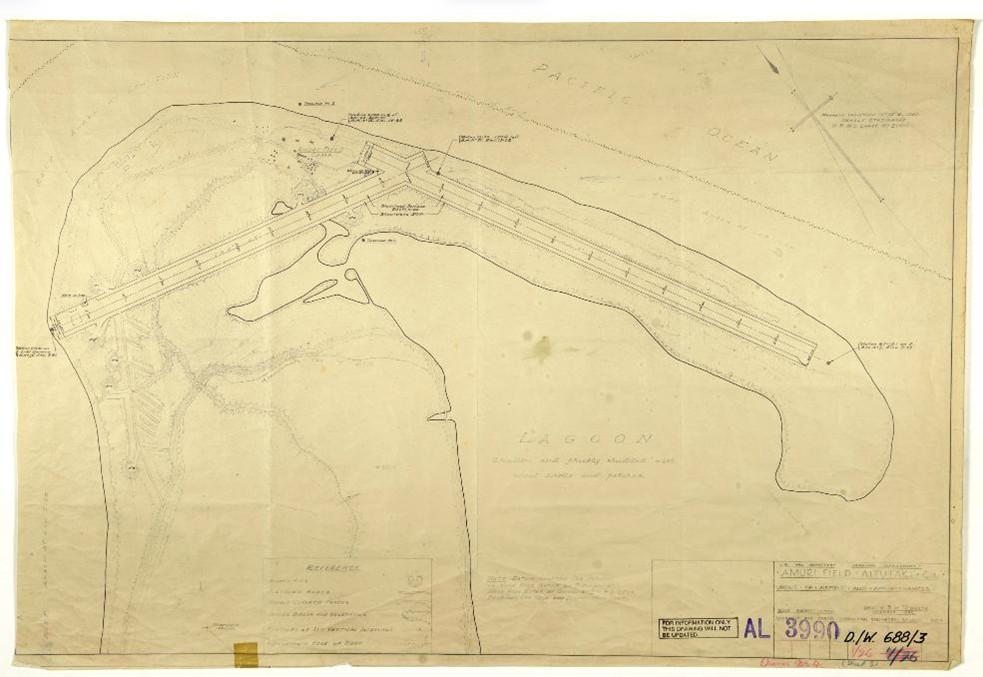
Fig. 1 Original Amuri Field “as-built” plot plan
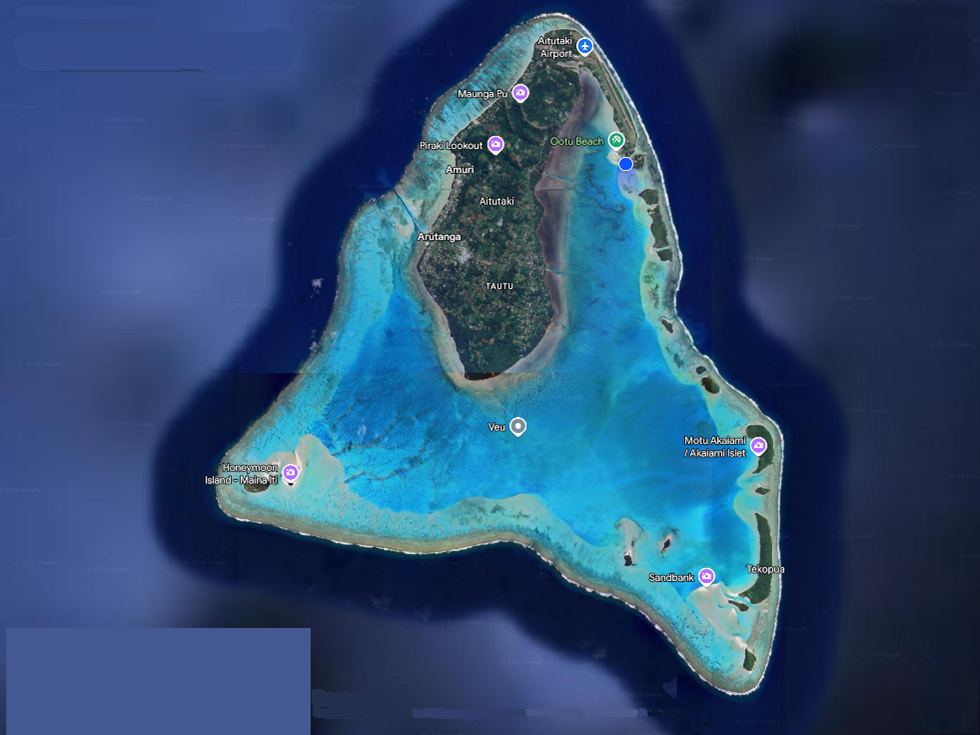
Fig. 2 Aitutaki (Source: Google Maps)
Built first, documented later
The airstrips at Aitutaki were constructed rapidly, under wartime conditions, using locally available coral. The approach was simple, practical, and effective:
• Large coral fragments formed the base
• Repeated wetting and rolling created a dense, lime-rich surface
• Sea water was used to aid compaction
• Skilled labour (including members of the New Zealand Public Works Department) was supplemented with local workers
• Equipment arrived months after mobilisation began
There were no detailed design drawings. No 3D models. No staged deliverables. Only once the work was complete were “as-built” drawings prepared (effectively documenting what had already been proven to work).
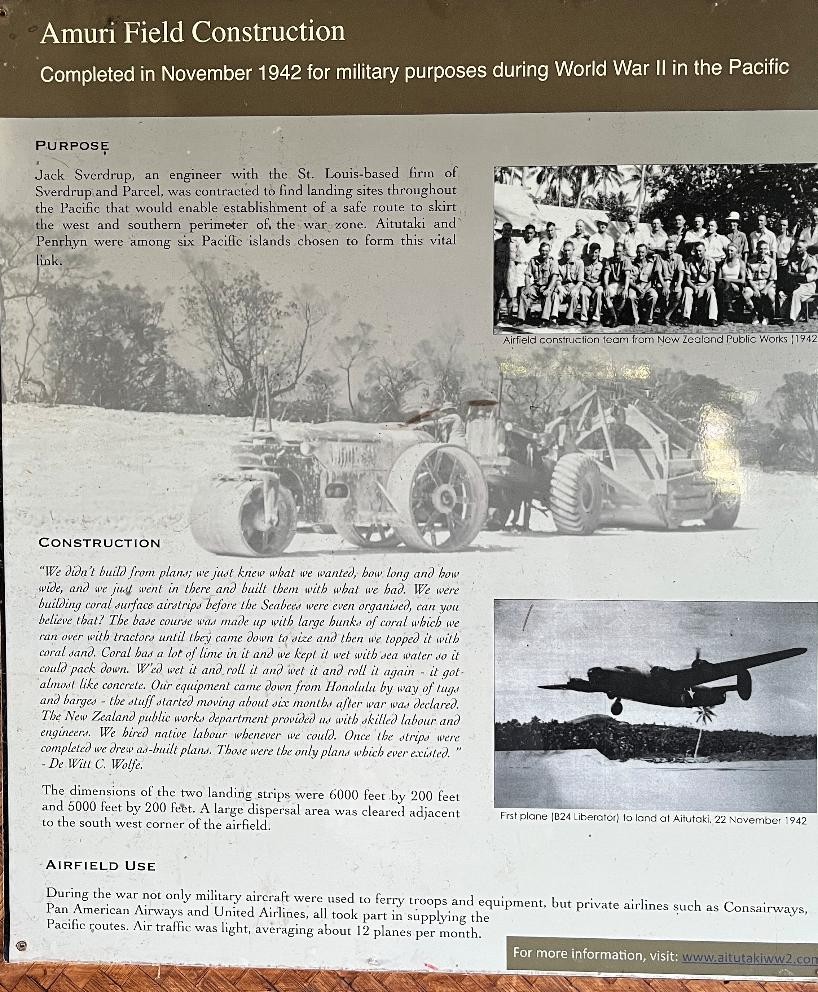
Fig. 3 One of the display panels at Aitutaki Airport
Clearly, this approach was driven by urgency. But it also reflects something deeper: clarity of purpose, practical judgement, and trust in experienced engineers.
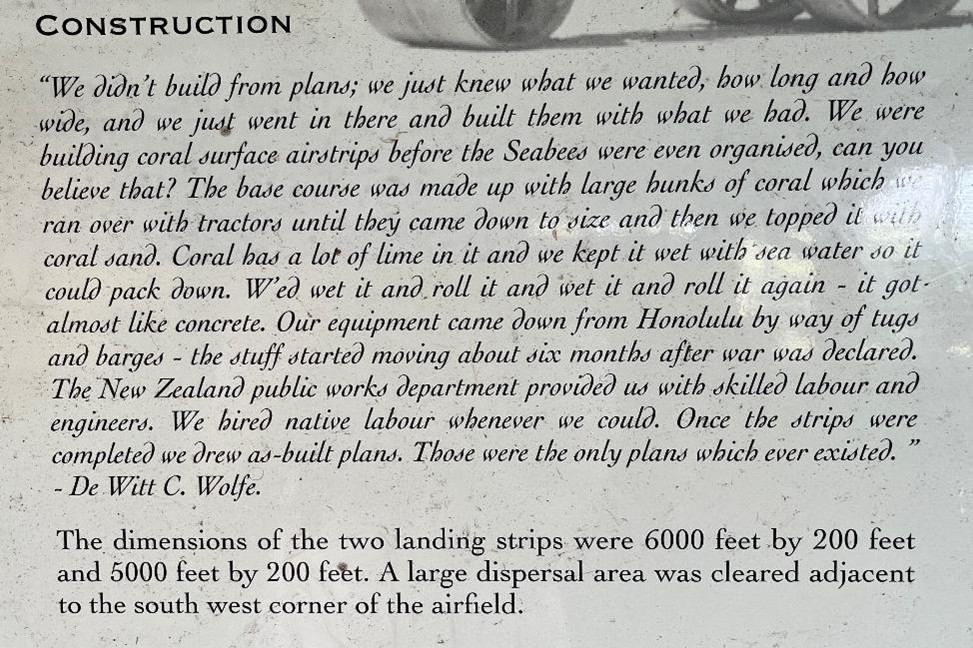
Fig. 4 Close-up of De Witt C. Wolfe quote from display panel
The modern contrast
Today, engineering projects — even relatively modest ones — can become heavily process-driven:
• Digital engineering frameworks
• 3D and 4D modelling as default
• Extensive documentation and approval cycles
• Layered verification and compliance processes
These tools are valuable. In complex, high-risk projects they are essential. However, they are not without cost. When applied indiscriminately, they can:
• Delay delivery
• Add unnecessary overhead
• Obscure rather than clarify design intent
• Shift focus away from practical outcomes
In short, we risk becoming servants to the process rather than masters of it.
Matching method to complexity
The key issue is not whether modern tools are good or bad. It is whether they are appropriate for the task at hand. In my early career at both James Hardie and Nalco in the 1990s, many small-scale systems (e.g. skid-mounted pump sets, minor process equipment and simple mechanisms) were developed using:
• Hand sketches on grid paper
• Iterative build-and-test approaches
• Minimal formal documentation
Once proven fit for purpose, drawings were either updated to reflect the final configuration or the original sketches were marked up as “as-built”. This was not poor engineering practice. It was proportionate engineering practice.
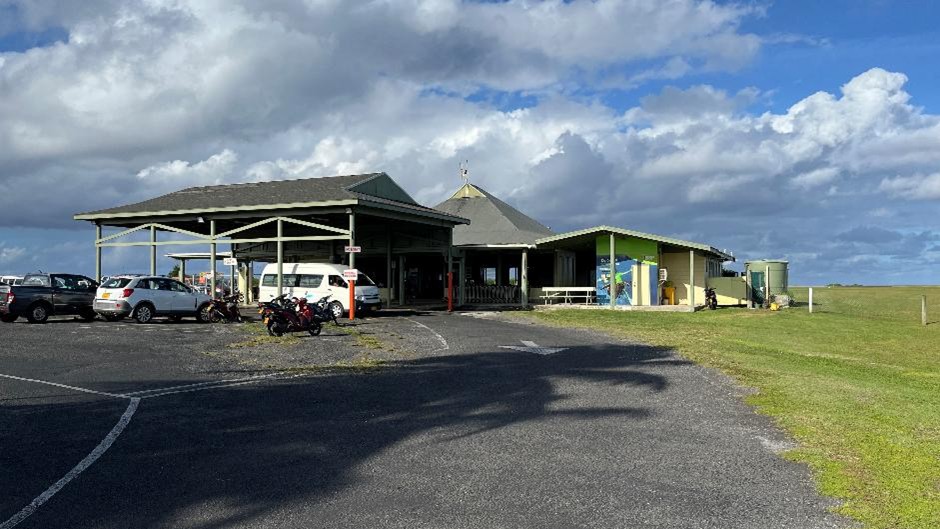
Fig. 5 Aitutaki Airport terminal as at April 2026
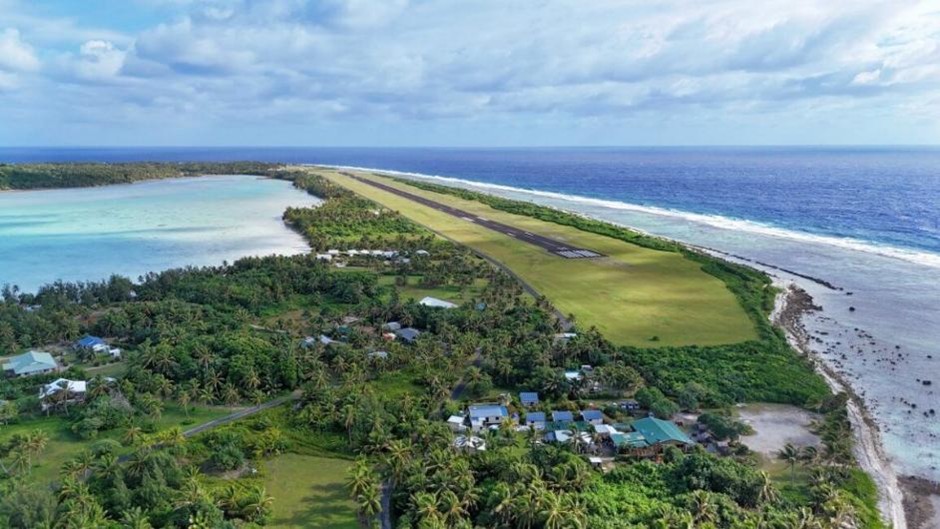
Fig. 6 Aitutaki runway (Source: Cook Islands News)
Process versus outcome
There is always a balance to be struck. Too much emphasis on process can stifle progress. Too little process can lead to failure. In practice, the optimal balance often leans toward outcomes (perhaps a 60:40 or even 70:30 split in favour of results over process, depending on the context). Ultimately, projects are judged on whether they deliver:
• Safe outcomes
• Functional systems
• Reliable performance
Not on the volume of documentation produced along the way.
A practical takeaway
The lesson from Aitutaki is not that we should abandon modern engineering tools. It is that we should apply them with judgement. Engineering documentation, modelling, and control processes should be:
• Scaled to the complexity of the project
• Aligned with risk and consequence
• Supportive of delivery, not obstructive
In situations where time is critical and experienced engineers are involved, excessive documentation can do more harm than good. Conversely, in high-risk or highly complex systems, rigorous processes remain essential.
Final thought
Those wartime engineers did not have the luxury of overthinking their approach. They focused on what mattered: building a functional airstrip, quickly, with the resources available. We operate in a very different environment today. But the underlying principle still applies:
Good engineering is not defined by the sophistication of the tools used, but by the soundness of the judgement applied.